Angelo Pellegrini, the sage of Seattle's culinary revolution in the
1960s, grew up in Tuscany, where he would gather up roadside cow pies
and sell them for fuel to earn a few coins. That's hardly the boyhood
one expects for a
revered professor of literature at the University of Washington, but it was not an unusual story.
In the first half of the 20th century, southern Europe was racked by
unimaginable poverty. Millions fled toward land they hoped could feed
them; those left behind boiled and ate whatever they could find. And
when there's literally nothing to eat, one invents. Vegetables, maybe,
if they'll grow. Game, perhaps, if it's available (squirrel and possum
on the North American continent), otherwise milk from a scrawny cow,
flour milled from chestnuts or bread baked without salt because salt is
too expensive.
What's
remarkable is that those dark days, whose details are vividly recalled,
decades later, by survivors at the end of their lifespan, produced a
culinary culture that is nothing short of glorious. Their stories, as
recounted by Pamela Sheldon Johns in her new book,
Cucina Povera, "were sad, bitter and desperate." Almost every person she interviews says the same thing, "We had
nothing to eat," yet their memories of the food they did have (and that enabled them to survive) were almost always pleasant.
This compilation, the food of hard times, the cooking of the poor, turns
Cucina Povera (subtitled Tuscan Peasant Cooking) into the most positive book I've reviewed in years.
Johns is on a US tour this winter to promote her book and to
teach private classes. She'll be in western Washignton for ten days in
early March, and will teach a couple of classes at Dianne LaVonne's Market Kitchen
(1101 Post Alley in Seattle) at 6 PM on March 7th and at noon on March
9th. There's still space for a couple of other classes; check the Food Artisans website.
To be fair to the long-established scholars, it's a landscape that's
been plowed before, especially by Lynn Rossetto Kasper, another culinary
writer (and public radio host) with Italian-American roots whose books
have been honored by the James Beard Foundation and the International
Association of Culinary Professionals. Half a generation ago, Rosetto
Kasper called this the cooking of ingenuity. "You take what the land
gives and you make something of it," she wrote in
The Italian Country Table (1999).
Bread baked without salt dries out within a day, to be revived with
wine or stock or olive oil, giving way to ribollita (bread soup),
panzanella (bread salad) and bruschetta (toasted bread with toppings).
As winter subsides, tomatoes ripen and their flavor explodes. Pigs
become prosciutto (not to mention guanciale, porchetta, coppa,
culatello, pancetta, mortadella, lardo, lombata, speck, salami and so
on), milk becomes cheese (from fresh ricotta to aged Parmegiano). Fruit
can be preserved with sweet grape must or honey if there's no refined
sugar.
 Cucina Povera
 is
a collection of some five dozen recipes that should make the reader
appreciate the ease of modern cooking as well as the depth of flavor
that comes from unprocessed food. Johns is an American food writer who
now lives on a farm in Tuscany,
Poggio Etrusco,
outside Montepulciano, where she teaches culinary workshops. Almost
every recipe is accompanied by a deftly drawn profile of an Italian
friend who recalls the days of true poverty. The ingredients are
accessible, the methods are straightforward, the accumulation of the
recipes is one of joy and plenty.
There's one for
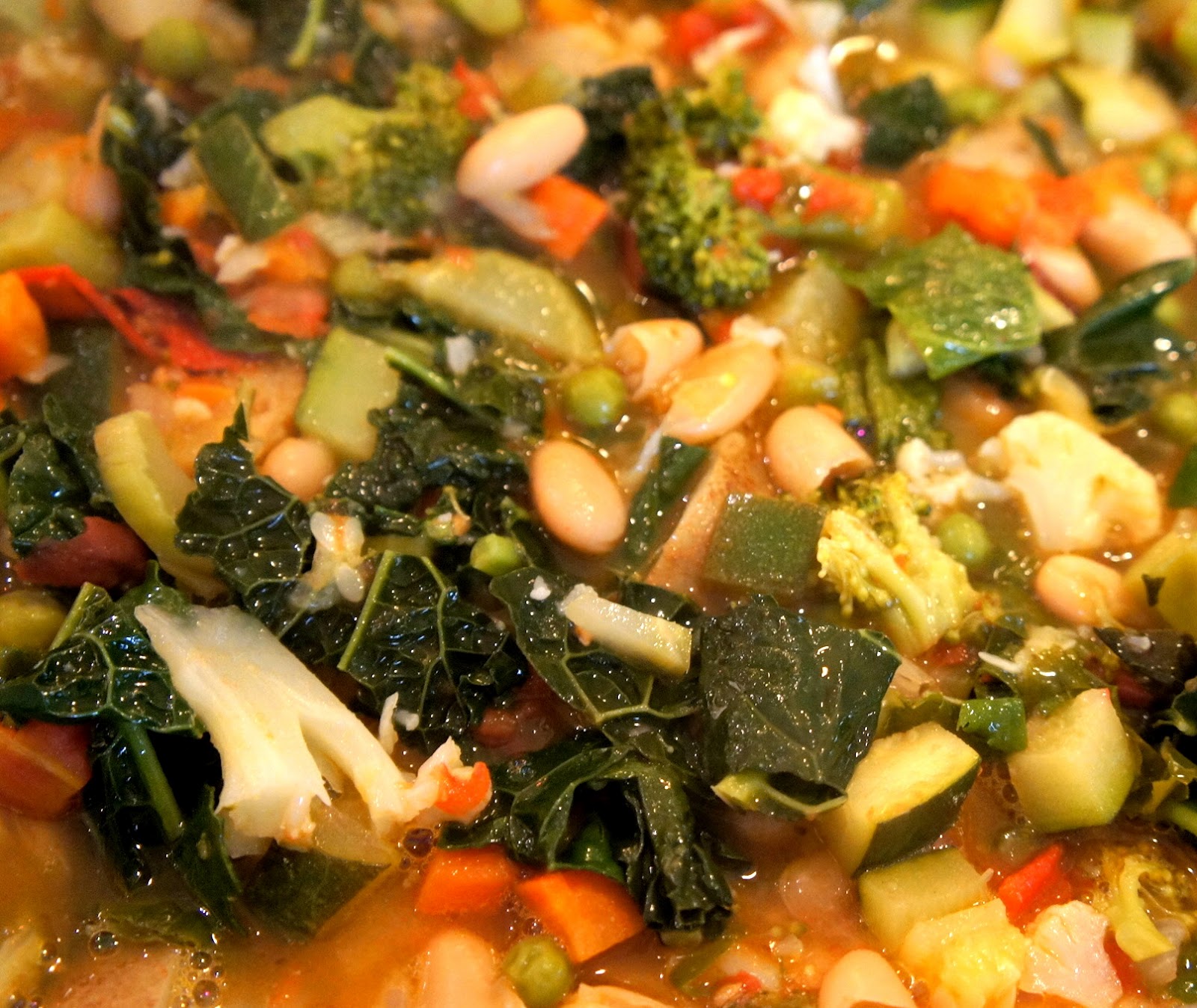
acquacotta, for example, that's a sort of
stone soup: nothing but coarsely chopped vegetables for flavor, with a
poached egg and a crust of crust of country bread. Dandelion greens or
arugula leaves provide a savory filling for a six-egg
frittata.
A recipe for ricotta cheesecake needs only half a dozen ingredients
(eggs, milk, sugar, lemons, flour, baking powder), can be assembled in
15 minutes, baked for 35, and enjoyed for dessert.
I admit to a couple of instances of confusion. I always thought "guanciale" refered
specifically to the jowls of a pig, not cows. Sure, bovines have jowls,
and restaurants (even in Seattle) offer dishes featuring beef cheeks.
But it you're going to call something
guanciale, it better be pork. Perhaps it's just a Tuscan thing.
Second, the classic white sauce of European cuisine--butter or oil,
flour, milk or cream--is Béchamel in French, Besciamella in Italian, not
"Balsamella." It's called Béchamel because its "inventor" was a
specific historic personage, a 17th Century nobleman named Louis de
Béchameil, the Marquis of Nointel. A
velouté with a lot of milk
or cream added. Again, perhaps it sounds like "Balsamella" in Tuscan
dialect. Pseudo-Italian TV chef Emeril Lagasse calls it Balsamella, too,
but that's probably what they call it on the Jersey Shore. ( (Indeed, Johns sent me a Facebook message, after this piece had run on Crosscut.com, saying that guanciale can refer to animals other than pigs, and that balsamella is what they call it where she lives.)
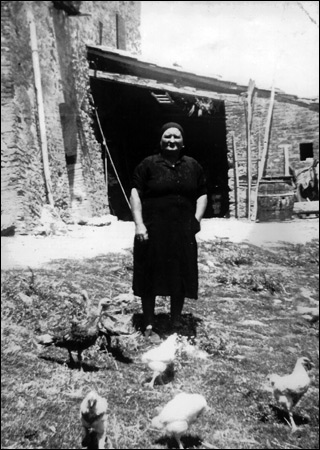
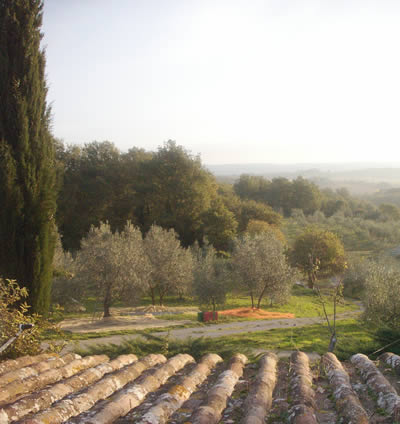
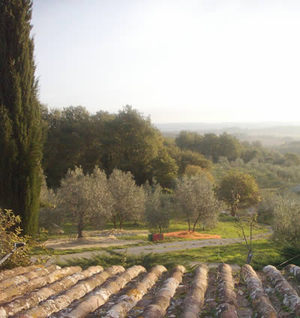
No discussion of this book would be complete without an enthusiastic endorsement of the photographs, by
Andrea Wyner: portraits that evoke the hard lives the Tuscan elders have lived, as well as refreshing reinventions of Tuscany's landscapes.
Cucina Povera: Tuscan Peasant Cooking, by Pamela Sheldon Johns, Andrews McMeel Publishing, 186 pages, $21.99