Saturday, October 18, 2008

Language Lessons

After%20lunch.JPGPullmino. A Pullman is one of those big coaches, a tour bus, but a pullmino is a baby, like the minivan we're riding in.

Consorzio. In English, you don't encounter a consortium every day; we're more likely to call it an association or a union. Italy's got thousands of consorzie, though. In the travel biz, for example, hotels get together by locality. Competing wineries form a consortium to promote their region.

Enoteca. A wine bar or wine cellar. The Enoteca Regionale is a wine cellar (and promotional agency) supported by a consorzio of Emilia-Romagna's wineries. My hosts for this trip.

Tanto Piacere. With great pleasure. The Enoteca's slogan.

Genitori. No, not the janitor. Nor is it genitals, though that's closer. Your genitori are your parents, your forebears, your ancestors. They're the ones who established and followed the traditions that created the system we live in today. Very important.

Vivace, Frizzante, Spumante. Three levels of spritz in wine, from the lowest level of sparkle to the biggest bubbles. Many examples in Emilia-Romagna, because that's the tradition.

Passito. Another tradition. Ripe grapes are dried in the sun after harvest to concentrate the sugars. When they're vinified, they make a delicious sweet wine, highly prized.

Agriturismo. A farmhouse inn. More than a simple bed & breakfast, the Italian agriturismo is often rather like a country hotel, complete with restaurant. Since everyone here makes wine, lunch at an agriturismo includes many bottles.

Pisolino. A nap. What I'd like after lunch.

The Painted Walls of Dozza

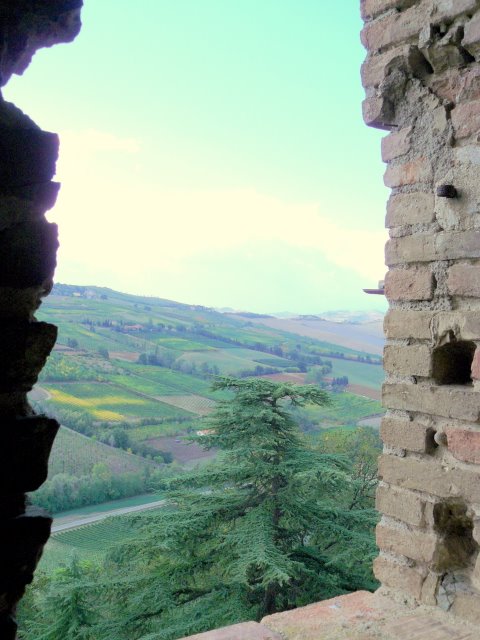
View%20from%20tower.JPG
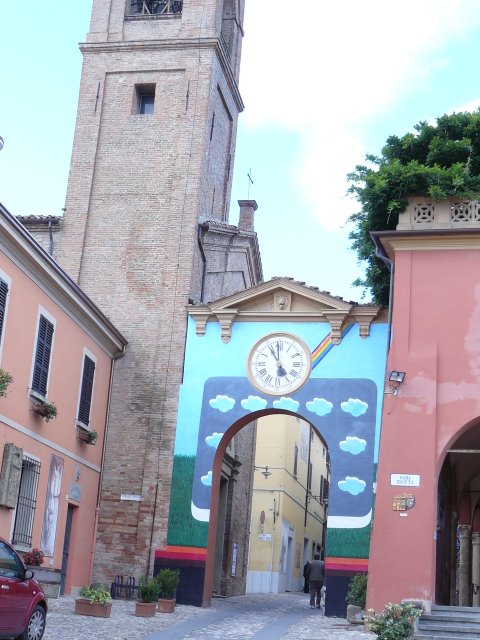
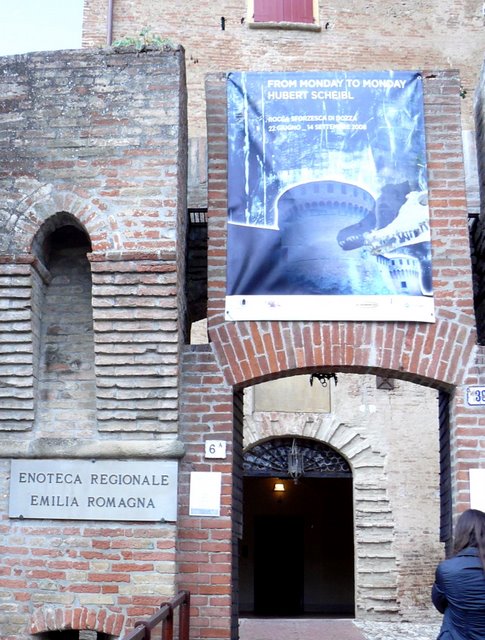
Dozza%20town%20gate.JPGEntrance%20to%20Enoteca.JPG
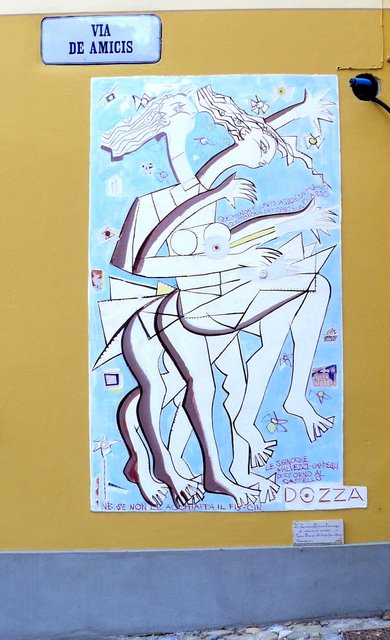
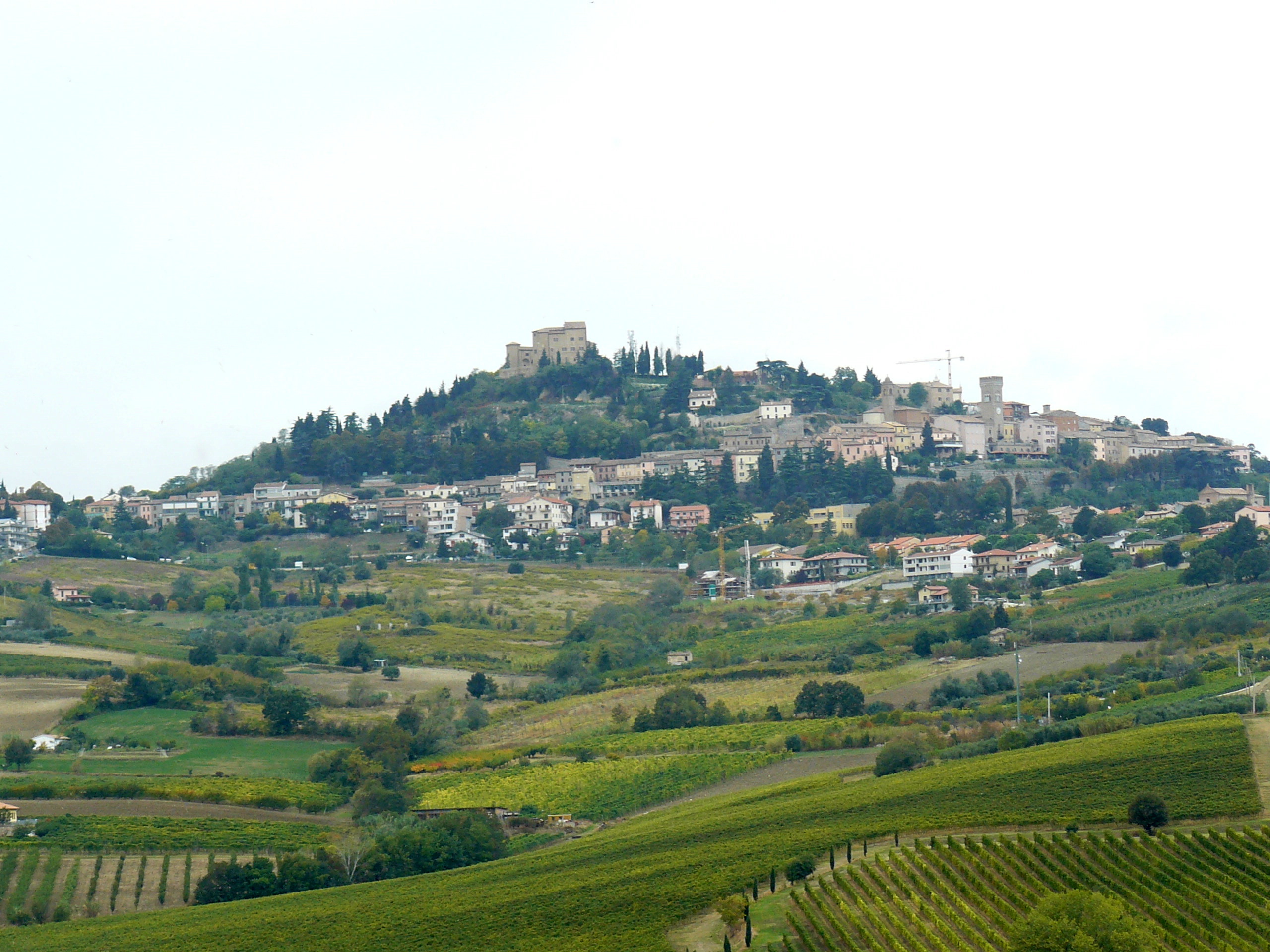
In a region dotted with perfect hilltop villages, Dozza stands out. It's a given that the view from its tower would extend across the vineyards and north to the Alps, almost a no-brainer that the 30-year-old Enoteca Regionale dell'Emilia-Romagna would be located within the Rocca Sforzesca (fortress) itself. But what makes Dozza unique is its biennial festival of the painted wall, when artists are invited to express themselves directly on the ancient doors, alley ways, arches, and public passages of the tiny village.

Dozza%20wall.JPGAs for the Enoteca, it's an administrative center for hundreds of participating wineries as well as a well-stocked showcase and well-run wine bar that's open to the public. Yes, there's a knowledgeable sommelier on hand (800 labels, after all, not to mention olive oil, balsamic vinegar and grappa!) They face the same challenges as industry associations everywhere: representing growers with a dizzying number of grape varieties and wine styles, defending Emilia-Romagna's 18 DOC and DOCG appellations, even as legislation later this decade sweeps all the traditional nomenclature into DOP (Protected Denomination of Origin). There's optimism that the new DOP (already in use for agricultural products) will simplify matters; we hope so. Every provincial subzone of the region clings passionately to its traditions, reluctant to compromise "authenticity" with innovation, even when it's clear (to an outsider) that there's too much, say, lightly sparkling lambrusco and malvasia and not enough full-bodied barbera and bonarda. But the market for wine throughout Italy is defined by its local food, and Emilia-Romagna is no different. The prosciutto and coppa of Parma, one cannot deny, are absolutely delightful with lambrusco; the castrato (gelded lamb) of Romagna finds its perfect match with the light-bodied sangiovese grown nearby.

Campanilismo, what we'd call provincialism, is alive and well here, frustrating as hell most of the time, yet providing the reassurance of a foot planted firmly in the past. The Enoteca Regionale sponsored my trip to Italy as part of an effort to communicate the vast improvement in local wines. No argument, even though it sometimes seems their drive for quality is at odds with the very system they're promoting.

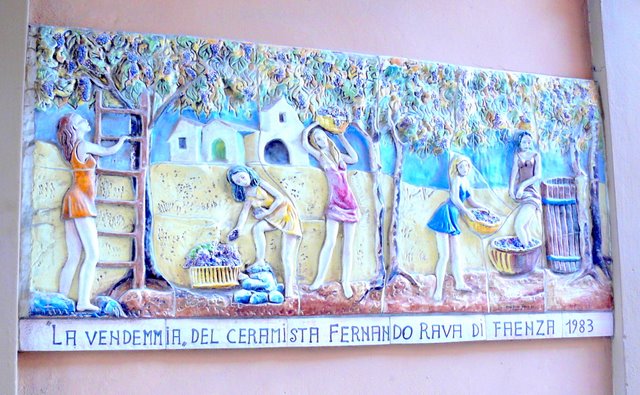
Vendemmia%20wall%20in%20Dozza.JPG

Benessere for Benito

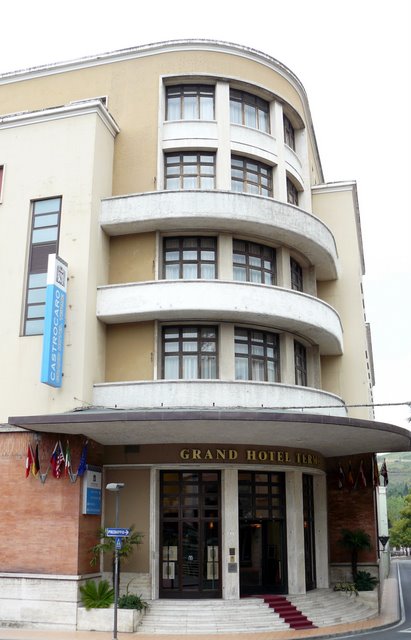
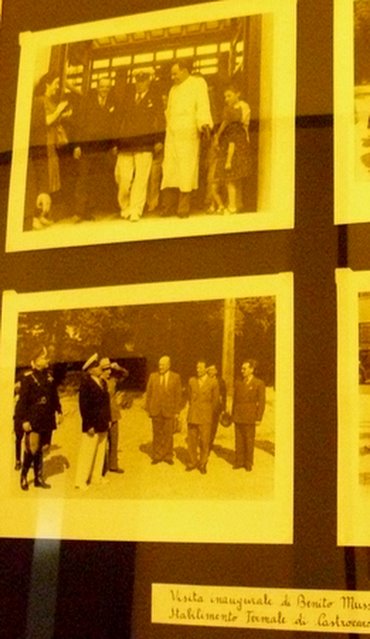
Castrocaro%20exterior.JPG Mussolini%20visits%20Castrocaro.JPG
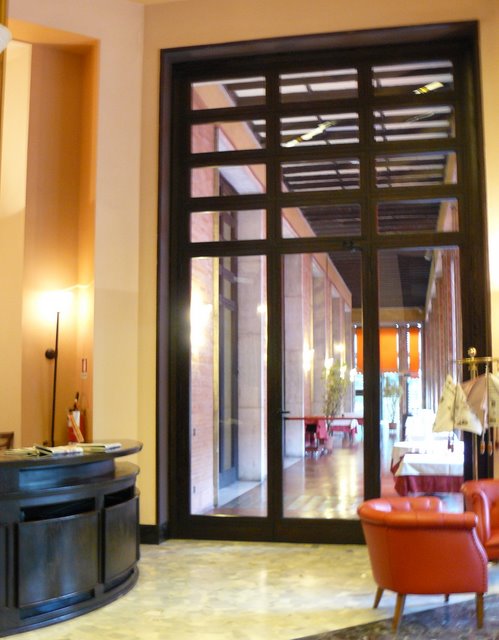
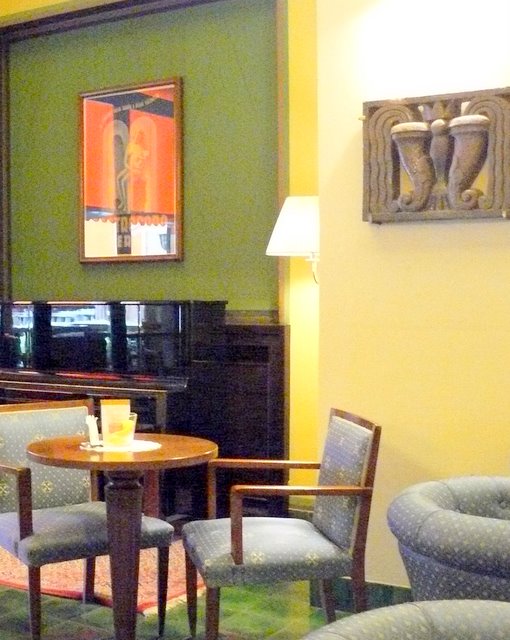
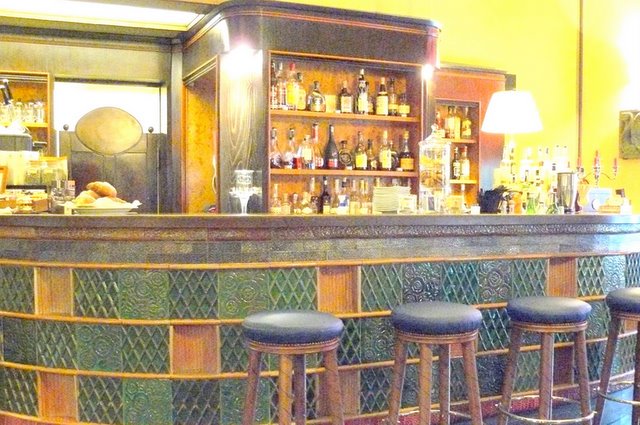
Hotel%20lobby.JPGBenessere is what the Italians call the pampering you get at a spa. Benito Mussolini, sometime journalist seduced by the power of politics, ended up running post-WWI Italy in much the same way as Adolf Hitler did post-WWI Germany: by appealing to the anger, shame and nationalism of its baffled, impoverished and humiliated citizenry. A native of Emilia-Romagna, he nationalized its terme, the soothing hot springs of the Apennines. In the Grand Hotel at Castrocaro, he strutted proudly, toga-clad, through the grand hallways of its Fascist-era architecture. (Art deco suited totalitarianism very well.) Then again, FDR took similar pleasure in dedicating Mt. Hood's Timberline Lodge. Actually, Timberline was built as a public works project in the same era (late 1930s), though there would not have been a faint aroma of sulfur. One fortunate, impressive legacy at the Grand Hotel is the magnificent decoration by a Florentine ceramicist, Tito Chini.

Hotel%20bar.JPG Bar%20at%20Castrocaro.JPG


Tuesday, October 14, 2008

Italian Character, Italian Characters

Graziella%20w%20Peti%20Trufi%20%26%20Barbarossa.JPG

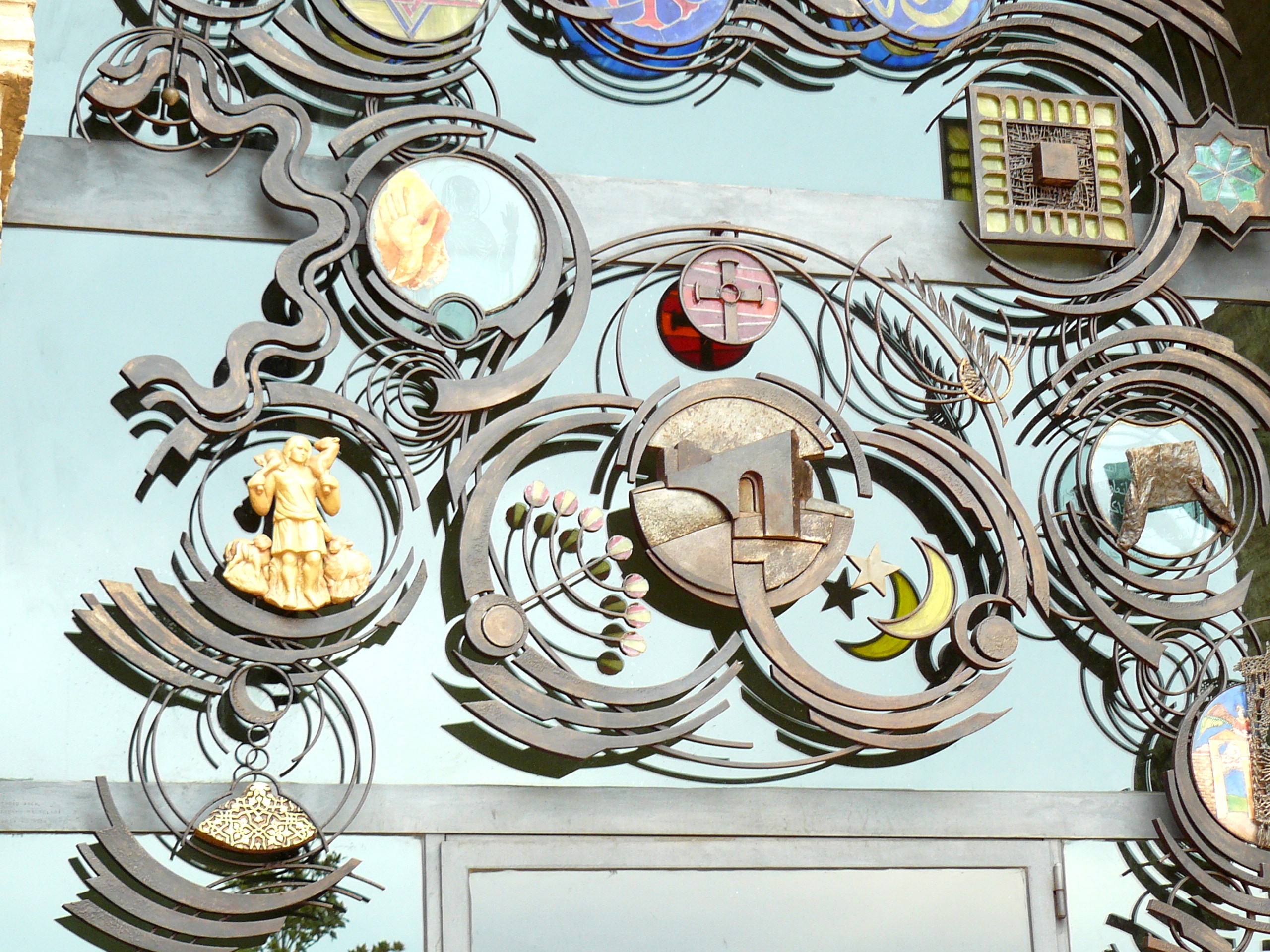
Tasting%20at%20Campo%20del%20Sole.JPGBERTINORO, Italy--We're at the eastern end of the vineyards of Emilia-Romagna.The village itself is medieval, with a castle that houses, of all things, an interfaith museum. Its exhibits are devoted to the world's three great monothestic religions and reconciles Jewish, Christian and Islamic teachings.

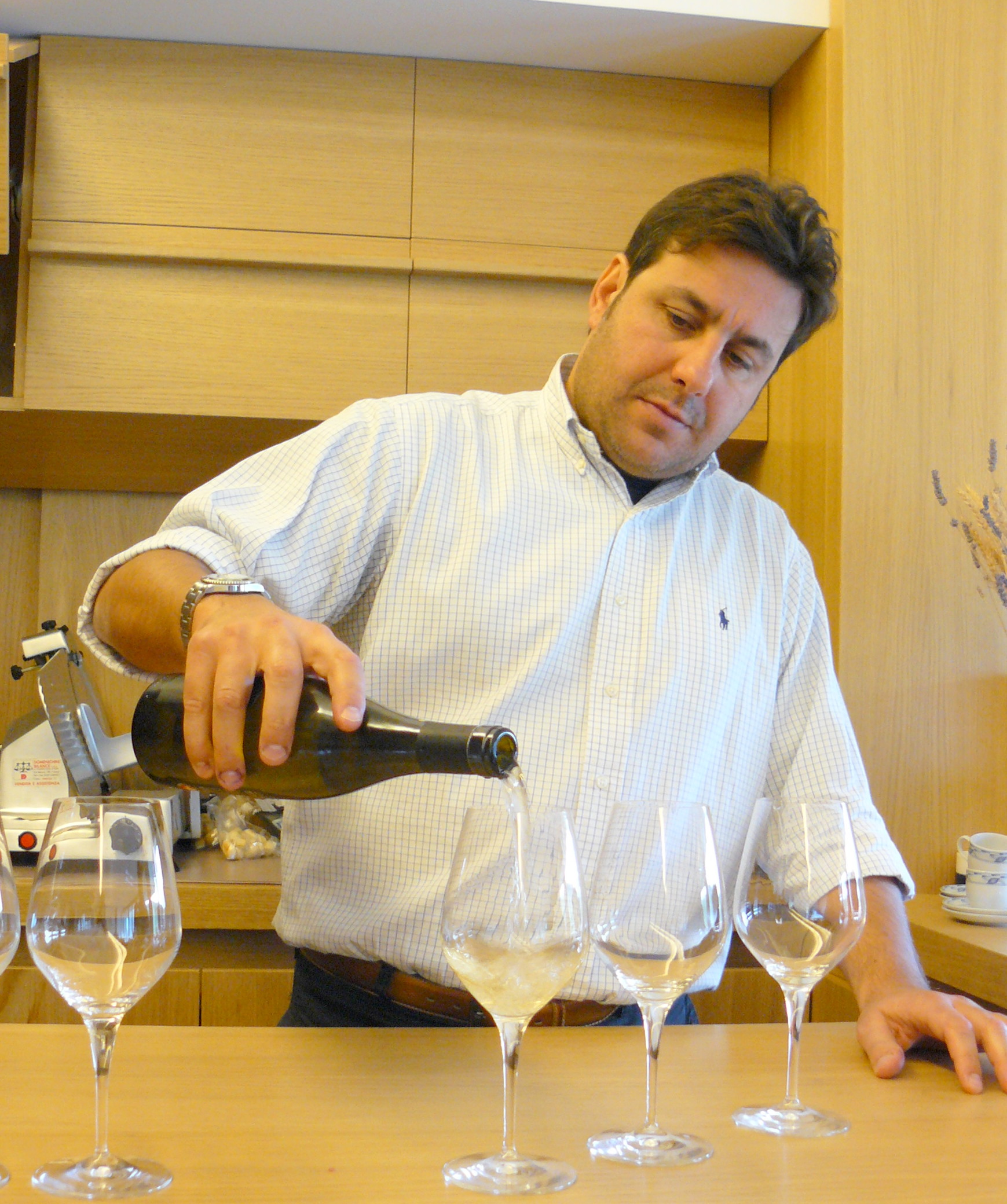
Below the walls lies a spanking new winery, Campo del Sole, a huge investment by the Isoldi family. Their wine maker, Stefano Salvini, has worked all over the world, including stints at Mondavi and Sebastiani; he's got a consulting gig right now in Georgia. Their vineyards are immaculate, their ambitions high. Modern techniques, clean-finishing wines, not a bad one among them. There's a budget for marketing; Campo del Sole's bringing its road show to Seattle in February.

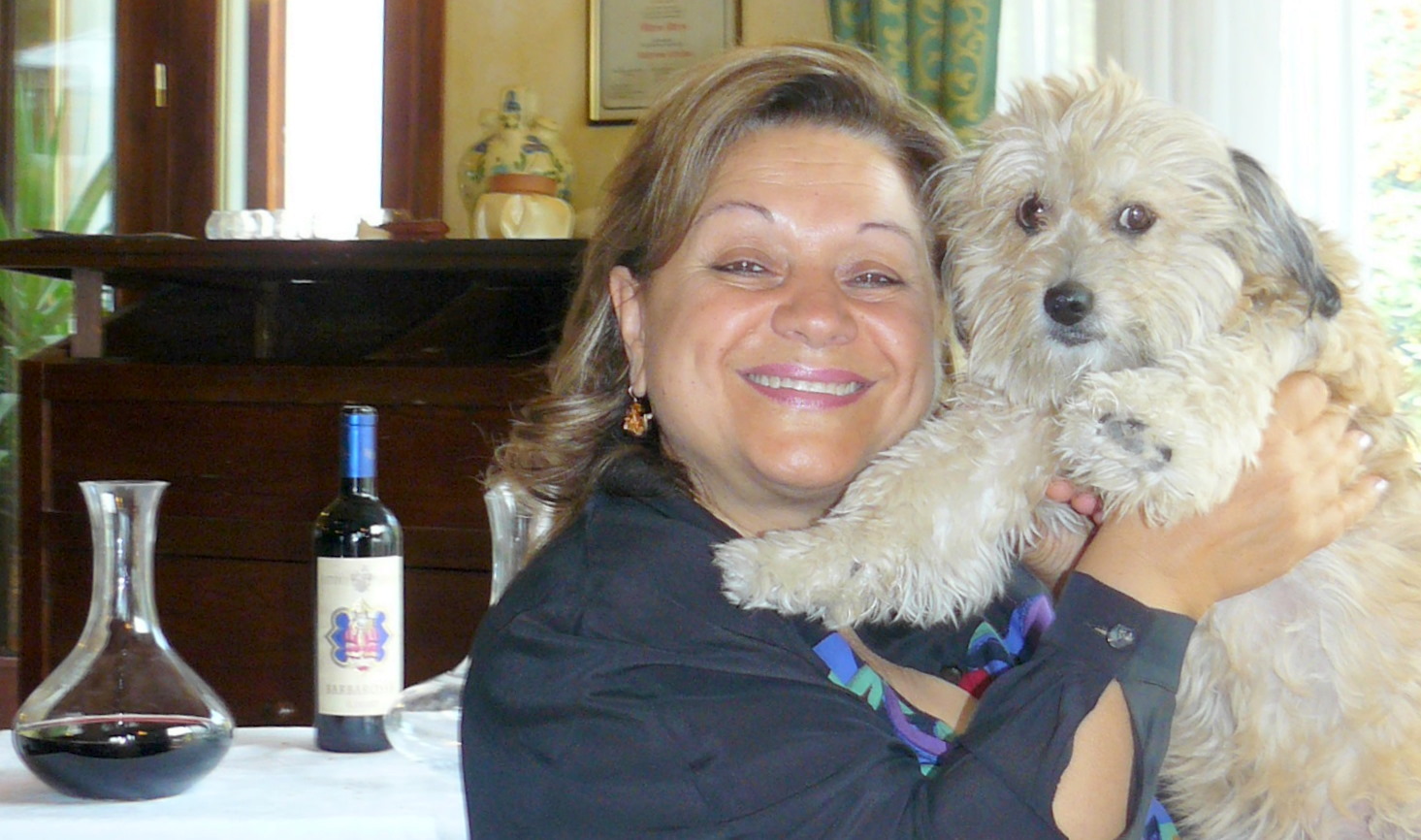
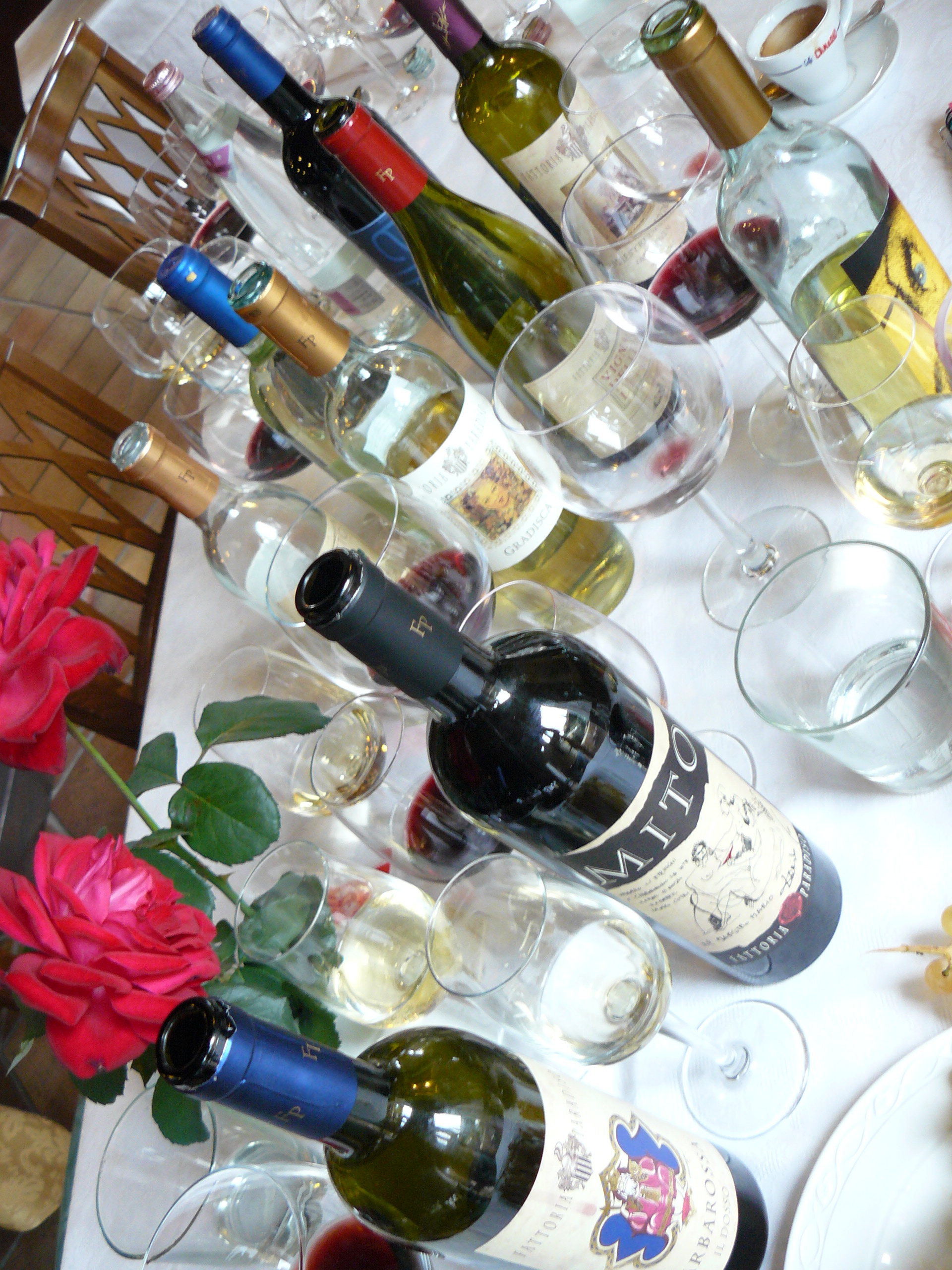
Higher on the hill, Fattoria Paradiso's been around since the 15th century. Graziella Prezzi has taken over from her father, who brought the winery back to prominence. She's a political powerhouse and former president of Italy's Women In Wine. Mario Batali shot an episode of his TV show here. She's got traditional wines from sangiovese and albana, new styles ("concept wines") and unique wines, best of all being barbarosso, a long-lived red variety. Danny Kaye was particularly taken with it. Graziella's beloved dog, Peti Trufi, is a foundling.

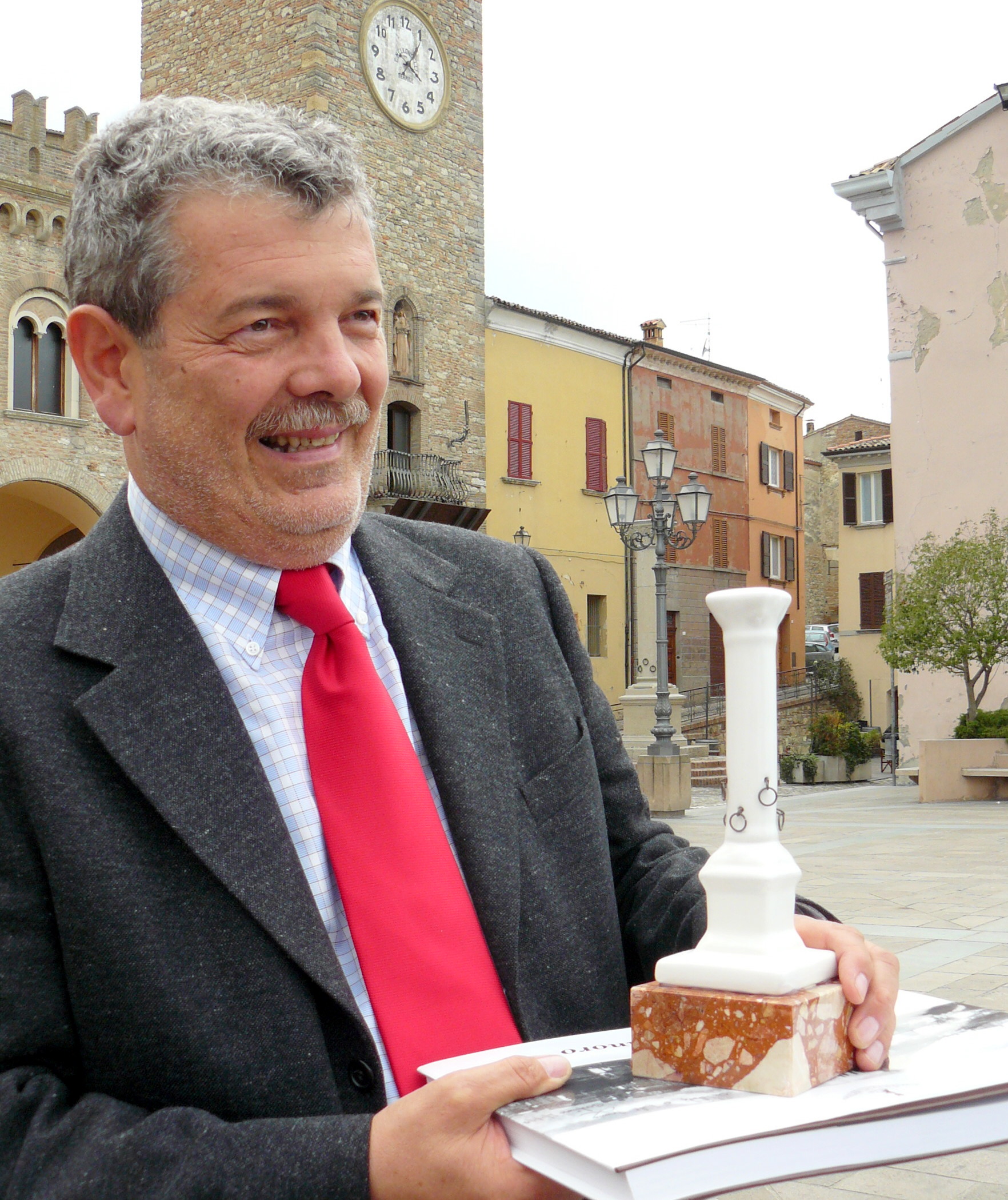
Bertinoro has a long tradition of hospitality. Local families would fight for the privilege of welcoming strangers, finally building a column festooned with "anonymous" rings. Upon tying up, travelers would be hosted by the family whose ring they were using. The mayor, Nevio Zaccarelli, tracked us down on the square and presented us with a replica of Bertinoro's famous hitching post.

Top: Graziella Prezzi and her dog, with bottle of Barbarossa in background. Side: Stefano Salvini. Below: Bertinoro hillside, mayor Nevio Zaccarelli, doorway detail of interfaith museum.

Bertinoro.JPG 
Mayor%20of%20Bertinoro.JPG Door%20detail%2C%20Interfaith%20Museum.JPG

Monday, October 13, 2008

My Dinner With Andrea

Andrea%20Spada%20tastes.JPG
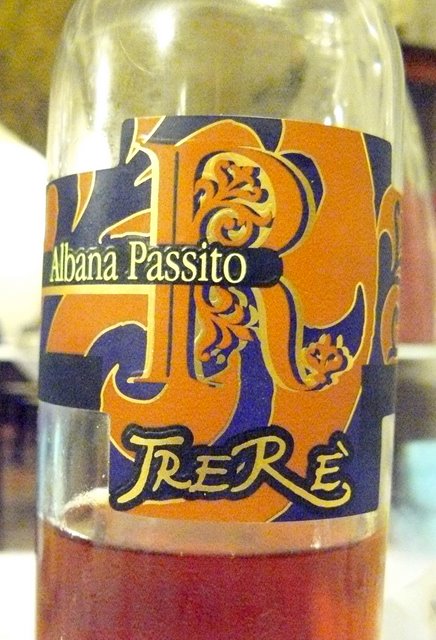
Albano%20Passito%20at%20Noe-18.JPG

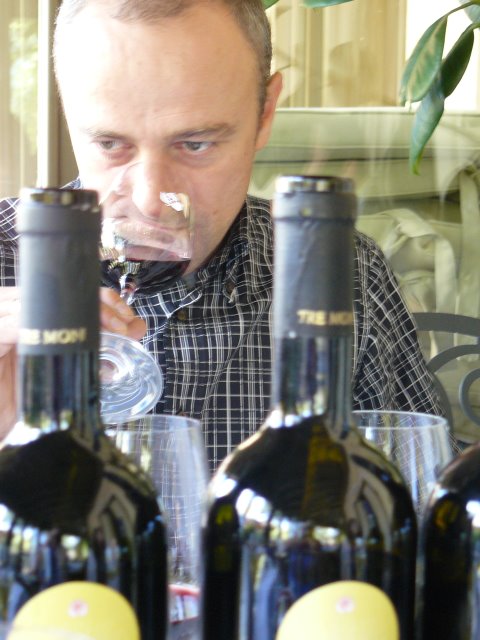
First of all, this particular Andrea's a dude, Andrea Spada by name. Named best young sommelier in Italy a few years ago. Author of definitive guidebooks to the vineyards of Romagna. Restaurateur.

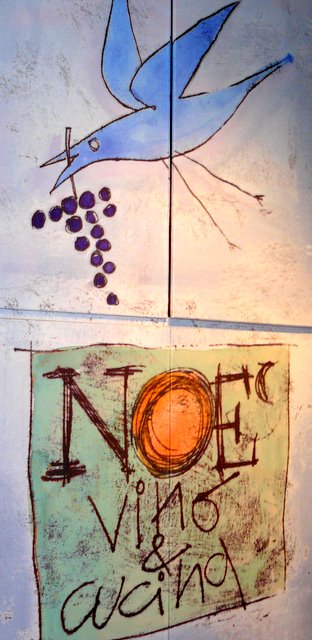
Sign%20at%20Noe.JPGHe scouted the wineries I visited last week (on a press trip sponsored by the Enoteca Regionale di Emilia Romagna), then came along for the visits and tastings. We also had dinner at his restaurant in Faenza, Noè, named Noah for the first planter of vines, the first wine maker, and, truth be told, the first to get pass-out hammered. All this after the flood, mind you.

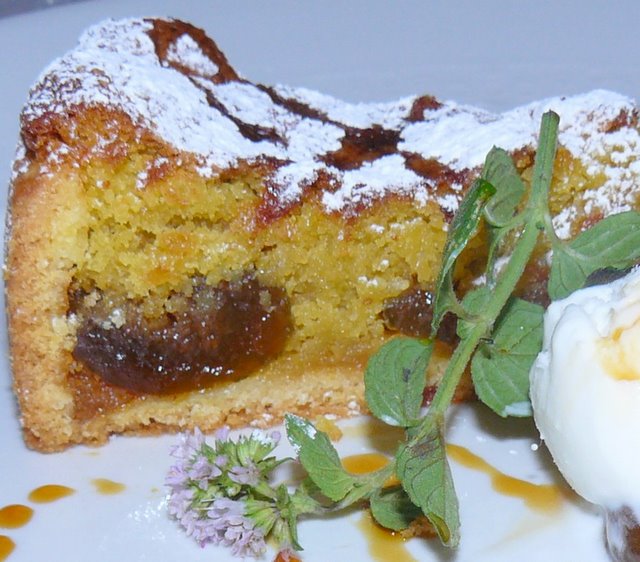
Fig%20tart%20at%20Noe.JPGSpada's place--his third restaurant--is devoted to art as well as the harmony of wine and food. Now, most of us follow the paint-by-numbers pairings. Only rarely do we come into contact with people who are so intimately familiar with the subtle tastes and aromas of hundreds of similar wines--and ever-changing plates from the kitchen--that they unerringly find the perfect match. No hit-and-miss, no "almost." It's a satisfaction beyond words.

Seven wines for six courses, including three lovely sangioveses (Romagna's all-purpose red) and three takes on the gets-no-respect albana grape variety: two at the start of the meal with the omnipresent plate of cold cuts, one magnficent passito at the end. The grapes for passito are dried in the sun after harvest, concentrating their natural sugars for a sensational sweet wine. The 2004 bottling from Tre Rè had overtones of peaches and apricots yet plenty of acidity to complement a fig tart.

Other countries play games with their wines, adding oak chips to the juice for more "flavor" and all sorts of goop to give the wine more body. Not here. Wine is governed by rigid tradition, intense rivalries and often-petty local politics, resulting in a crazy-quilt of bottles. But there's no question about their sincerity and authenticity.

Sunday, October 12, 2008

Where's the Beef?

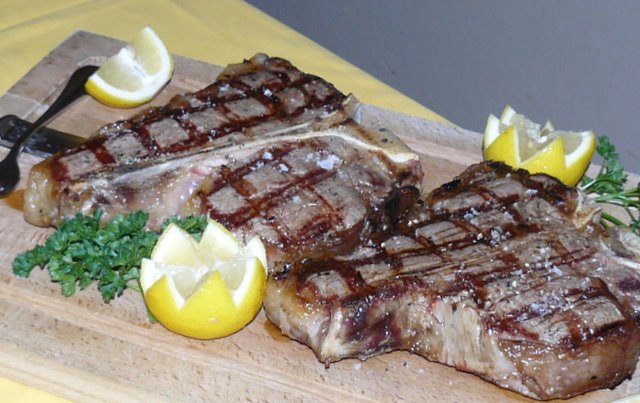
Sottofiletto%20aka%20Fiorentina.JPG

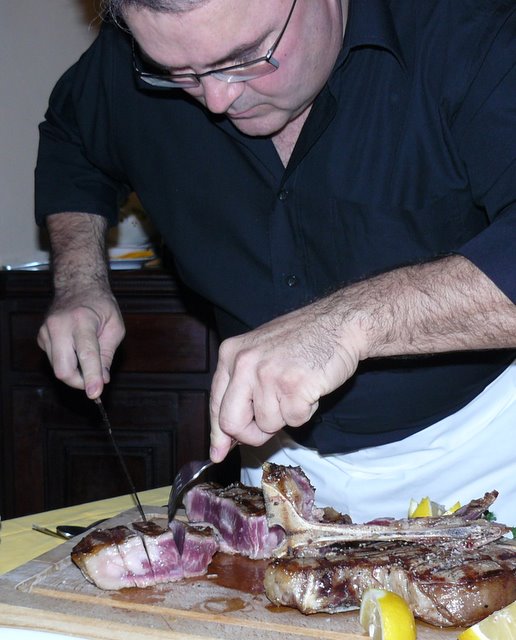
Chianina cattle, tall white beasts originally bred in Tuscany, are the source of bistecca alla fiorentina, one of the world's best T-bone steaks.

At Peck, the amazing food store in Milan, they display fiorentina in the shop window at 55 euros a kilo, $40 a pound. Gulp!

Closeup%201.JPGAt Antica Locanda del Falco at Rivalta in the hills above Piacenza, they served a couple of two-inch-thick steaks this week as part of a festive meal for eight diners. (And yes, there were other things to eat: an appetizer course of four types of cold cuts and three sorts of marinated vegetables, two kinds of pasta, and three kinds of meat; in addition to the fiorentina, there were veal cutlets and braised pork.) Quickly seared, salted and peppered, drizzled with olive oil, the bistecca is carved tableside and served blue. The restaurant is in a medieval village, across from the castello described in the previous post, run by a family who previously operated butcher shops; they know their meat well.

We drank no less than five wines, the best being a Gutturnio Riserva from Il Poggiarello, a winery that's part of a marketing consortium called Mosaic, five of the best wineries in the Colli Piacentini. Gutturnio is a blend of two food-friendly red varieites, barbera and bonarda. Traditionally, it's often left slightly fizzy, but it's better with that serious cut of beef as a still wine.

More posts from Emilia-Romagna in the days ahead!

Monday, October 6, 2008

Views of Emilia-Romagna

Vineyards%20near%20Piacenza.JPG

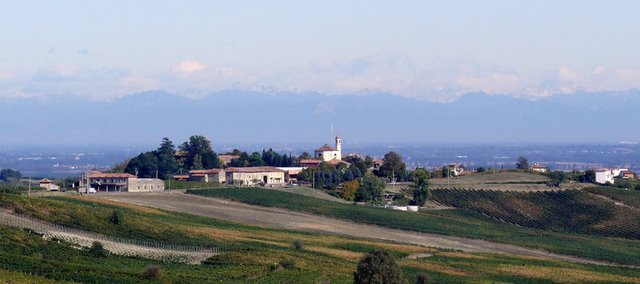
Vineyards of the Colli Piacentini, looking north toward the Alps.

The region of Emilia-Romagna sits like a garter high on the thigh of the Italian boot. As you stand on the slopes of the Apennines looking north across the plains of the Po valley, the snow-capped Alps stand like false teeth on the horizon. Were you to turn and hike across the top of the hills, you'd be in the yuppie playgrounds of Tuscany and Umbria. Instead, you're in the land of picture postcards: renaissance art cities strung like pearls along the ancient Via Emilia (Piacenza, Parma, Reggio, Modena, Bologna, Ravenna). For art enthusiasts, heaven.

For racing enthusiasts, Formula One heaven as well. Ferrari, Maserati, Lamborghini and Ducacti are all headquartered here, the pride of Italy's high-performance motor industry. The San Marino Grand Prix is held in the Romagna resort of Rimini.

Vineyards, of course. They grow a bewildering number of grape varieties, most unknown outside of Italy, made in styles ranging from slightly fizzy to full-bodied, from dry to sweet. Much of what growers can grow and wine makers can vinify is defined by legislation and tradition. And, as often happens, the best producers simply make what they like, defying the rules.

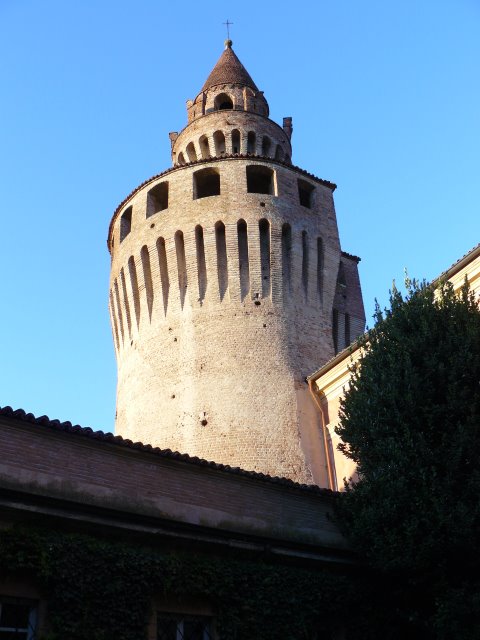
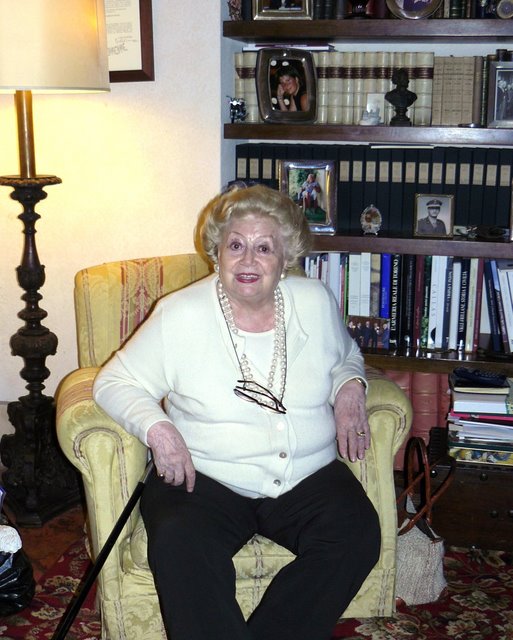
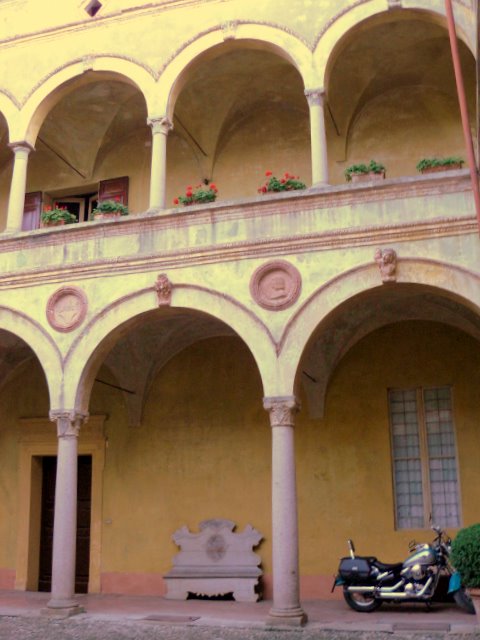
And not a few castles. The castello at Rivalta, built by the same architect who would go on to design Moscow's Kremlin, is the family home of the Contessa Zanardi Landi. The motorcycle in the courtyard belongs to her son, who's obviously following the local tradition of defying tradition: it's a Kawasaki.

Tower%20at%20Rivalta.JPG Contessa%20at%20Rivalta.JPG Courtyard%20of%20Rivalta%20w%20motorcycle.JPG